
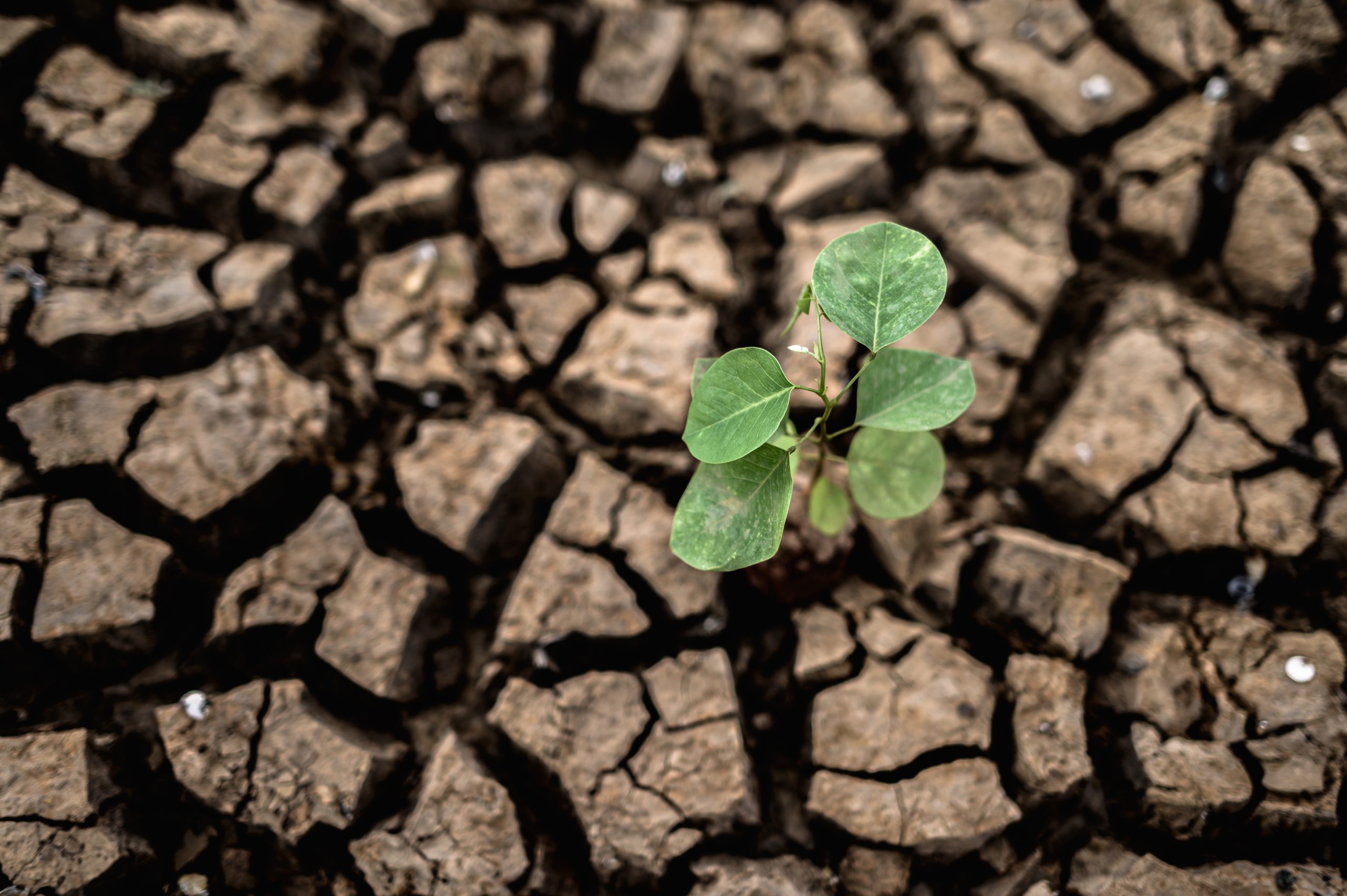
A strong El Niño is already established across the tropical Pacific and expected to intensify to strong to very strong levels in the coming months.
As Fiji prepares for the possibility of longer dry spells, water shortages and rising household costs, a Fiji National University (FNU) academic is urging families to start preparing now rather than wait until the effects of El Niño are felt.
With a strong El Niño already established across the tropical Pacific and expected to intensify to strong to very strong levels in the coming months, FNU College of Engineering, Technical and Vocational Education and Training (CETVET) Associate Dean Research, Dr Ronesh Sharma, says a few simple steps taken today could help families manage the challenges ahead.

Dr Ronesh Sharma
“Early preparation, not panic, is the key to helping families and communities become more resilient,” Dr Sharma said.
El Niño occurs when parts of the Pacific Ocean become warmer than usual, disrupting normal rainfall patterns. For Fiji, this generally means less rainfall and longer dry spells.
“It does not mean there will be no rain, but families should not wait until their water supplies run low before taking action. Start saving water now and keep up with updates from the Fiji Meteorological Service,” he advised.
Dr Sharma said the effects could reach well beyond the weather, touching some of the most basic aspects of everyday life, including the water families use, the food they buy and the money they spend.
Reduced rainfall can cause household water tanks, rivers and dams to run low, increasing the risk of water shortages. Farmers may also harvest fewer crops, potentially pushing up the prices of vegetables and other locally grown produce.
“Families should be concerned because El Niño can affect the water we use, the food we buy and our household budgets,” he added.
Electricity generation could also come under pressure, particularly when dam levels fall and less hydropower is available.
“When this happens, there may be a greater need to rely on fuel-powered generators, which are more expensive to operate. Depending on the impact on generation costs and any approved tariff adjustments, households could eventually face higher electricity charges,” Dr Sharma explained.
He said communities in Fiji’s drier western regions and many outer islands could be among the first to experience the effects, particularly those relying heavily on rainfall for drinking water and farming.
Farmers and livestock owners are also vulnerable. Crops need consistent moisture to grow, while animals depend on reliable water supplies and healthy pasture.
“Dry conditions can quickly affect food production and household income, particularly for families who depend on farming for their livelihoods,” he explained.
But while the forecast deserves attention, Dr Sharma said there are practical things families can do to reduce the impact.
Drawing on lessons from previous El Niño events, he encouraged households to check their water supplies and fix potential problems before shortages occur.
“Families should repair leaking taps, keep water tanks clean and covered, store safe drinking water and report water shortages early. A few days of rain does not necessarily mean the dry spell has ended,” Dr Sharma reiterated.
For those with backyard gardens or small farms, a little planning can also go a long way.
Dr Sharma recommends planting drought-tolerant crops suited to local conditions, watering plants early in the morning and directing water close to the roots. Covering the soil with mulch, such as dry grass or leaves, can also help retain moisture and keep plants healthy for longer.
He also reminded families that preparing for El Niño is not just about water and food. Managing household finances will be equally important if living costs increase.
“Start with a simple weekly budget and prioritise essentials such as food, water, housing, medicine, and utility bills. Even saving a small amount regularly can help families manage unexpected expenses during prolonged dry periods,” he advised.
Keeping homes cool without driving up electricity bills is another area where families can make simple changes.
“Use fans instead of air conditioners where possible, close curtains during the hottest parts of the day, improve natural ventilation by opening windows when temperatures are cooler, and switch off lights and appliances when they are not being used,” Dr Sharma further elaborated.
As Fiji continues to strengthen its resilience to climate-related challenges, Dr Sharma said FNU remains committed to turning research and academic knowledge into practical solutions for communities.
“At CETVET and across FNU, we are connecting research with practical skills by supporting renewable energy initiatives, strengthening climate-resilient infrastructure and sharing knowledge on farming, food security and climate adaptation with communities throughout Fiji,” he said.
Dr Sharma stressed that preparing for El Niño should not be left to government agencies alone. Every household can play a part.
“My message to every Fijian family is simple: prepare early, save water, plan your spending, and look out for one another. Small actions taken today can make a significant difference when dry conditions arrive,” said Dr Sharma.